
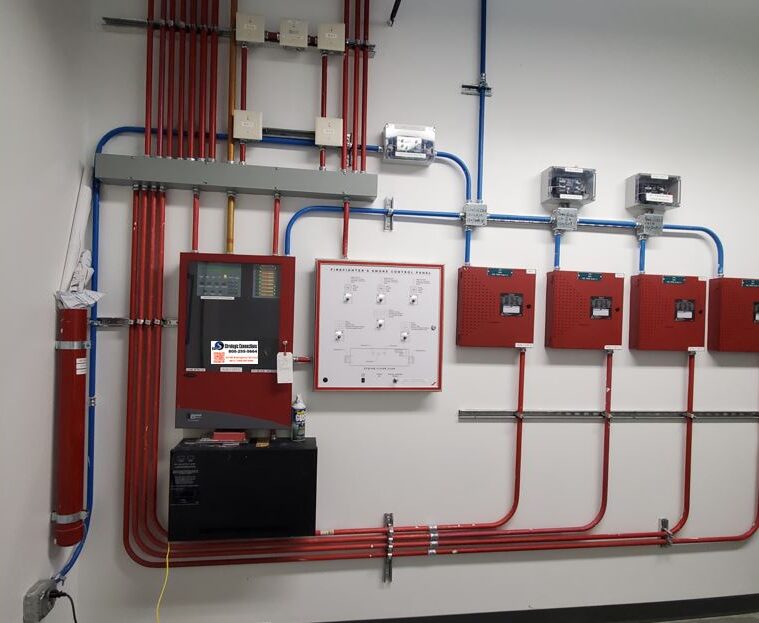
Fire safety is one of the most critical aspects of any residential, commercial, or industrial building. While smoke detectors, fire alarm panels, and emergency notification devices receive much of the attention, the wiring that connects these components is equally important. Fire Alarm Cable serves as the communication backbone of a fire alarm system, ensuring that every device works together to detect hazards and alert occupants without delay.
Choosing the right fire alarm cable is essential for maintaining system reliability, meeting safety standards, and protecting lives and property. This article explains why fire alarm cable is such a vital part of modern building safety.
What Is Fire Alarm Cable?
Fire Alarm Cable is a specialized low-voltage cable designed to connect fire alarm control panels with devices such as smoke detectors, heat detectors, manual call points, alarm sounders, and emergency notification systems. Unlike standard electrical cables, it is manufactured to meet strict fire safety requirements and is designed to continue functioning during emergency conditions for as long as required by applicable standards.
These cables are engineered with durable insulation and protective jackets that help maintain signal transmission while offering increased resistance to heat and fire.
Ensures Reliable Communication During Emergencies
The primary purpose of a fire alarm system is to detect fire hazards and quickly notify occupants.
A high-quality Fire Alarm Cable enables reliable communication between:
● Fire alarm control panels
● Smoke detectors
● Heat detectors
● Manual pull stations
● Alarm sirens
● Strobe lights
● Emergency communication devices
When every component communicates effectively, the system can activate alarms immediately, helping occupants evacuate safely and allowing emergency responders to react quickly.
Supports Early Fire Detection
Early detection is one of the most effective ways to reduce fire-related damage and save lives.
Fire alarm cable ensures that signals from detection devices reach the control panel without interruption. As soon as smoke or excessive heat is detected, the control panel processes the information and activates the appropriate warning devices.
Fast communication allows valuable time for evacuation and emergency response before the fire spreads.
Improves Overall Building Safety
Every modern building relies on integrated safety systems.
Fire alarm cable supports a wide range of fire protection equipment, including:
● Smoke detection systems
● Heat detection systems
● Voice evacuation systems
● Emergency lighting controls
● Fire suppression monitoring
● Building management systems
Reliable cable connections ensure these systems work together efficiently, improving overall building safety.
Designed for Fire Resistance
One of the biggest differences between standard wiring and Fire Alarm Cable is its fire-resistant construction.
Many fire alarm cables are manufactured using materials that provide:
● Resistance to high temperatures
● Reduced flame spread
● Low smoke emission
● Enhanced durability during fire conditions
These features help maintain system operation during emergencies, allowing alarms and communication devices to continue functioning when they are needed most.
Helps Meet Building Code Requirements
Most countries require fire alarm systems to comply with national and local fire safety regulations.
Using properly rated fire alarm cable helps installers and building owners meet applicable requirements related to:
● Fire protection systems
● Electrical safety
● Building occupancy regulations
● Emergency communication systems
Compliance not only supports legal requirements but also helps ensure the reliability of the fire alarm system.
Provides Long-Term Reliability
Fire alarm systems are expected to operate continuously for many years.
High-quality fire alarm cable offers:
● Stable electrical performance
● Strong insulation
● Durable outer jackets
● Resistance to aging
● Consistent signal transmission
These qualities reduce the likelihood of wiring failures and contribute to dependable long-term system performance.
Suitable for Various Building Types
Fire alarm cable is used in a wide range of applications, including:
● Residential buildings
● Office complexes
● Shopping centers
● Hospitals
● Schools and universities
● Hotels
● Factories
● Warehouses
● Airports
● Government facilities
Each of these environments depends on reliable fire alarm communication to protect occupants and valuable assets.
Reduces Maintenance and Downtime
Poor-quality wiring can result in false alarms, communication failures, and expensive maintenance.
A well-manufactured fire alarm cable helps minimize:
● Signal interruptions
● System faults
● Unexpected repairs
● Equipment downtime
● Long-term maintenance costs
Reliable cable infrastructure contributes to a more dependable and cost-effective fire protection system.
Installation Best Practices
Even the highest-quality Fire Alarm Cable should be installed correctly for maximum effectiveness.
Recommended installation practices include:
● Follow local electrical and fire safety regulations.
● Route cables separately from high-voltage electrical wiring.
● Protect cables from physical damage during installation.
● Label cable runs clearly for future maintenance.
● Test all system connections before commissioning.
Professional installation helps ensure the fire alarm system performs reliably throughout its service life.
Choosing a Quality Fire Alarm Cable
When selecting fire alarm cable, consider factors such as:
● Wire gauge
● Number of conductors
● Fire resistance rating
● Insulation quality
● Environmental suitability
● Compliance with applicable standards
● Manufacturer reputation
Choosing a high-quality product helps maximize safety and long-term reliability.
Conclusion
Fire Alarm Cable is a critical component of every fire protection system. It ensures reliable communication between detectors, control panels, and notification devices, allowing early fire detection and rapid emergency response. Its fire-resistant construction, long-term durability, and compliance with safety standards make it an essential investment for residential, commercial, and industrial buildings. By selecting high-quality fire alarm cable and ensuring proper installation, building owners can enhance occupant safety, improve system reliability, and strengthen overall fire protection for years to come.



.jpg)

.jpg)


This article explains why snow rider fire alarm cable is such a vital part of modern building safety.
ReplyDelete