
Shops speak before staff do. The moment someone steps inside, the space sends signals. Light, layout, temperature, and sound all work together. Among these, sound often does the quietest work, yet its influence runs deep. Audio shapes pace, mood, and attention without asking for permission.
Many stores still treat sound as background filler. A playlist runs all day. Volume stays the same from opening to close. This approach assumes customers behave consistently. They do not. Morning browsers move differently from afternoon shoppers. Weekday traffic feels calmer than weekend crowds. Flat audio ignores these shifts.
Sound that sells adapts to behaviour rather than hoping behaviour adapts to sound. When audio aligns with how people move and feel, customers slow down naturally. They explore more. They stay longer. These changes happen without signs or prompts.
Tempo plays a major role. Faster music encourages movement. Slower rhythms invite lingering. Retailers use this subtly. Busy periods benefit from energy that keeps flow steady. Quiet periods benefit from sound that encourages browsing. The goal is not control. It is balance.
Volume matters too, though not in obvious ways. Sound that feels too loud pushes people out. Sound that feels too soft fades into noise. Effective audio sits comfortably within the environment. Customers notice it only when it is missing or wrong.
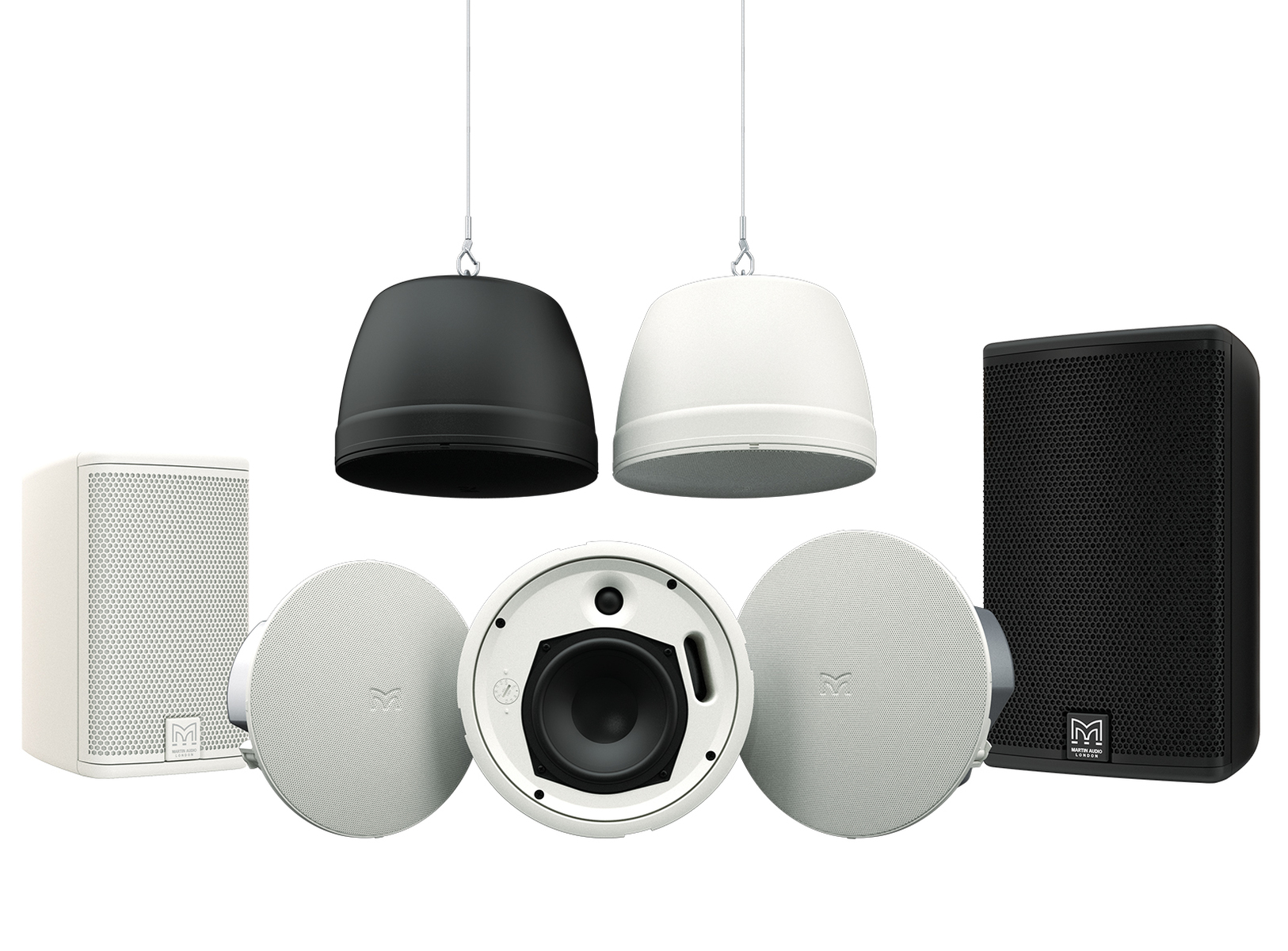
This balance becomes easier when systems are designed for the space rather than dropped into it. Commercial audio speakers support this by distributing sound evenly across the floor. Instead of blasting from a few points, audio surrounds customers gently. Movement through the store feels consistent rather than jarring.
Direction also influences behaviour. Sound placed near entrances creates a sense of arrival. Audio near feature displays draws attention without visual clutter. Softer sound near fitting rooms or service desks reduces stress. These cues guide customers without instruction.
Retail psychology supports this approach. People make decisions more comfortably when they feel relaxed. Stress shortens visits. Calm environments increase openness to exploration. Sound contributes heavily to this emotional state.
Another factor is clarity. Promotional messages, announcements, or branded audio need to be understood without competing with music. Poor clarity frustrates customers and staff alike. When messages feel intrusive, people tune out.
Commercial audio speakers help maintain clarity by controlling dispersion. Sound reaches intended areas without spilling everywhere. Messages feel closer without being louder. This reduces the need to repeat information and keeps the environment calm.
Sound also affects staff behaviour. Employees working long shifts feel fatigue faster in noisy environments. Balanced audio reduces strain and improves communication. When staff feel comfortable, service quality often improves as a result.
Retailers often underestimate this internal impact. Sound that supports staff indirectly supports sales.
Consistency across locations matters as well. Brands with multiple stores want customers to recognise the same feeling each time. Visual branding handles part of this. Audio completes it. When sound behaves consistently, customers sense familiarity even in new spaces.
Commercial audio speakers support this consistency by delivering predictable performance across different layouts. Stores vary in size and shape. The sound experience remains recognisable.
Adaptability adds another layer. Retail spaces change frequently. Displays rotate. Seasonal layouts appear. Temporary promotions take over. Sound systems need to respond without rewiring or major adjustments.
Modern systems allow audio zones to shift as layouts change. This flexibility supports experimentation without disruption. Retailers adjust sound to match new flows rather than forcing customers to adjust.
There is also a financial angle. Poor audio leads to complaints, adjustments, and replacements. Well-designed systems reduce these costs over time. They work quietly, day after day.
Commercial audio speakers appear again here as a long-term choice rather than a short-term fix. They support varied content, changing layouts, and long operating hours without degrading performance.
Sound that sells rarely draws attention to itself. It supports movement, comfort, and decision-making quietly. Customers leave without thinking about the music, yet they remember how the space felt.
For retailers looking to influence behaviour without adding pressure, rethinking audio design may be a practical step. When sound aligns with purpose, the store works harder without feeling louder.



.jpg)

.jpg)


No comments:
Post a Comment